How to Make a Room Look Bigger with Paint: Expert Ideas for Homes in Vienna, VA
Ever felt like your small room is closing in on you? Choosing the right paint can completely change how a room feels.
If you’re wondering how to make a room look bigger with paint, you’re in the right place. Smart color choices and design strategies can create the illusion of space, making even the tiniest rooms feel open and airy.
For homeowners in Vienna, VA, interior painting can transform small spaces into more spacious-looking ones with the right paint color. Let’s explore some tried-and-true techniques that can help make your room look larger—no renovation required!
Key Takeaways:
- Light and neutral colors are your go-to for making a room look bigger.
- Add depth with dark accents, but use them sparingly.
- Accent walls can create focal points that enhance the illusion of space.
- Don’t neglect the ceiling—a light ceiling can make the room feel taller.
- Vertical patterns help add visual height.
- Always test your colors before committing to a full paint job.
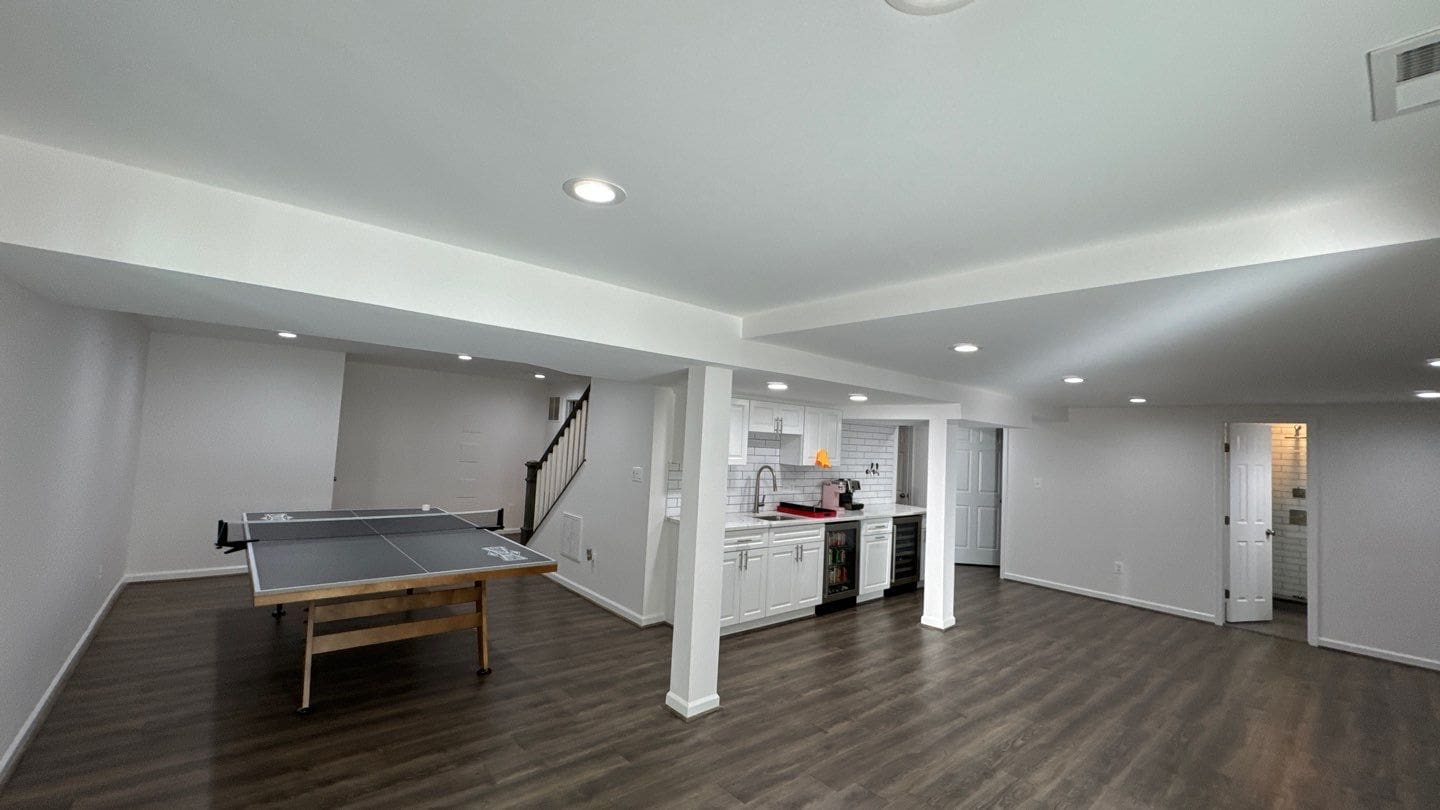
How to Make a Room Look Bigger with Paint?
In our previous blog, we covered how to match paint color already on your wall—a handy skill when you want seamless touch-ups or a consistent look. Now, let’s shift gears and explore something equally important: how to make a room look bigger with paint.
By choosing the right colors and techniques, you can transform even the smallest spaces into bright, open areas. Let’s break down the best tips to create a spacious feel with just a few clever paint tricks!
Tip 1: Start with Light and Airy Colors to Open Up the Space
The easiest way to give a room a more spacious feel is by using light paint colors. Whites, soft pastels, and neutral tones help reflect light, which creates the illusion of more space. Light hues don’t just make the walls look farther apart; they also brighten up the entire room, making it feel more inviting.
Using light colors like off-white or pale taupe makes a small room feel much more open. These shades enhance natural light and give a fresh, clean look to your house interiors.
Here are a few popular choices for light colors:
- White Dove (Benjamin Moore)
- Alabaster (Sherwin-Williams)
- Pale Oak (Benjamin Moore)
These versatile shades pair beautifully with a variety of furniture and decor styles. Plus, they provide an excellent backdrop for adding colorful accents.
Tip 2: Add Depth with Strategic Dark Accents
While light colors are great for opening up a space, adding a pop of dark color can create depth and contrast, making the room more dynamic. The key is to use dark shades sparingly—think accent walls, cabinetry, or even molding.
Dark accents help define different areas of the room and create a focal point. Just be sure to balance them with plenty of lighter shades so the room doesn’t feel closed in.
Recommended dark shades for accents:
- Iron Mountain (Benjamin Moore)
- Tricorn Black (Sherwin-Williams)
- Deep Forest Green (Behr)
Tip 3: Use Accent Walls to Draw the Eye
If painting an entire room in a bold color feels intimidating, try adding an accent wall instead. Accent walls work by creating a focal point that draws the eye, making the room feel more expansive. A well-placed accent wall can even help define spaces in open-concept homes.
When choosing a color for your accent wall, think about what mood you want to create. For a calm, serene vibe, go with cool tones like soft blues or greens. If you want something bold and dramatic, deep navy or rich burgundy can do the trick.
Pro Tip: Don’t be afraid to experiment with textured finishes or subtle patterns for your accent wall. They can add extra visual interest without overwhelming the space.
Tip 4: Make the Ceiling Work for You
Many people overlook the ceiling when thinking about how to make a room look bigger with paint. However, painting the ceiling in the right color can dramatically change how a room feels. We already cover this as one of the house painting trends this 2025. A lighter ceiling color creates the illusion of height, making the room feel taller.
For small rooms, it’s best to stick with white or light shades like pale blue or soft gray for the ceiling. Pairing this with crown molding in a slightly darker shade can further enhance the sense of height.
Here are some great ceiling colors to try:
- Ceiling Bright White (Behr)
- Soft Sky (Benjamin Moore)
- Morning Mist (Sherwin-Williams)
Tip 5: Create Visual Height with Vertical Patterns
Vertical stripes and patterns can make a room feel taller by drawing the eye upward. Whether you opt for painted stripes, patterned wallpaper, or vertical paneling, this trick adds a sense of height without requiring any structural changes.
However, keep the patterns subtle to avoid overwhelming the space. Thin stripes or delicate floral designs work well in small rooms.
Tip 6: Don’t Forget to Test Your Colors First
Testing paint colors before committing is crucial—especially in small rooms where lighting can greatly affect how a color looks. Paint a small section of your wall and observe it at different times of the day to see how it changes with natural and artificial light.
Another option is to use virtual paint visualization tools offered by many major paint brands. These tools let you upload photos of your room and digitally try out different colors, saving you time and effort.
Trust the Experts for a Stress-Free Transformation
How to make a room look bigger with paint? With the right paint and design choices, you can transform even the smallest room into a more spacious and inviting space. Whether you want to open up your living room, brighten your bedroom, or refresh your kitchen, our interior painters in Vienna VA are here to help. Serving Warrenton, Bealeton, and surrounding areas, we take pride in offering high-quality painting services tailored to your needs.
Call us at (703) 637-8090 for a FREE estimate today. We’ll guide you through the entire process, making it easy and stress-free to transform your space!